
Laser Tube Cutting and Punching: Planning a Scaffolding Process
Updated 3 November 2026
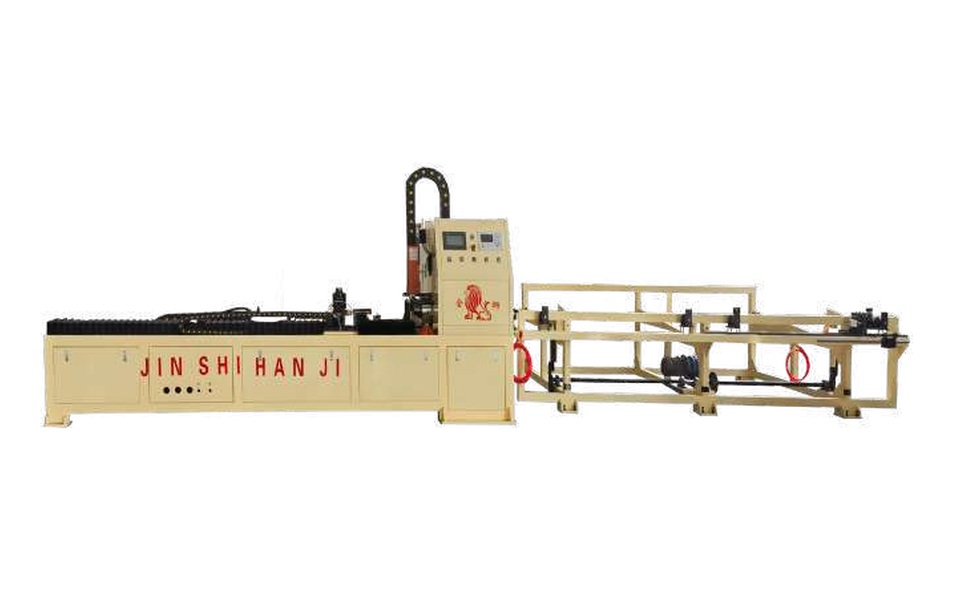
Laser cutting and hydraulic punching can serve different stages of scaffolding component production. Start by marking the cut lengths, end profiles, holes and formed areas on each drawing. Then assign each feature to a proposed operation. A machine selected for cutting tubes to length should not automatically be assumed to replace every punching or forming step.
Check the laser cutting range
The automatic laser tube cutting machine lists a 3000W Raycus laser, automatic feeding and unloading, and a round pipe diameter range of 40–68 mm. Its specified raw pipe length is 5–7 m, wall thickness is 2–4 mm, and cutting length is 200–3000 mm. Compare these limits with your incoming material and finished blanks. For square tubes or other requirements, review the separate round and square tube fiber laser cutting machine and confirm a suitable configuration.
Choose punching equipment by component
The scaffolding standard hydraulic punching machine punches both pipe ends simultaneously and uses pneumatic clamping with servo feeding. Its listed tubes are 48.3 mm in diameter, 0.5–3 m long and 2–3.5 mm thick. The diagonal brace forming and punching machine has a different role: it flattens and punches two pipes per cycle. Match the choice to the required end shape and hole pattern, and confirm the tooling against the drawing.
Check the handover between machines
When both operations are required, verify that the cut blank fits the downstream machine. Compare minimum length as well as maximum length, tube thickness and the position of features near each end. Agree how orientation and positioning will be controlled between stations. The listed machine capabilities do not by themselves establish that two units form an integrated automatic line; ask for the proposed loading, transfer and unloading arrangement.
Evaluate a representative component
Prepare sample drawings covering your smallest and largest parts, plus any unusual profiles or hole patterns. Ask which operation is proposed for each feature and how tooling changes will be handled. Review sample dimensions, hole locations and finished surfaces against your own acceptance requirements. Use the complete proposed process, including handling, when assessing whether the equipment meets your production target.


